Hello, art community!
At deckofart.com, we’re deeply embedded in London’s modern art world — creating original paintings that capture its spirit while sharing the insights that help collectors and creators stay ahead. As we head deeper into 2026, the capital’s scene feels more intimate, tactile, and emotionally charged than ever. After years of digital spectacle, there’s a clear return to the handmade, the vulnerable, and the quietly profound.
Here’s what to watch for in London’s modern and contemporary art this year — trends, exhibitions, and the energy shaping our studios and galleries.
1. Moody Palettes & Gradual Gradients
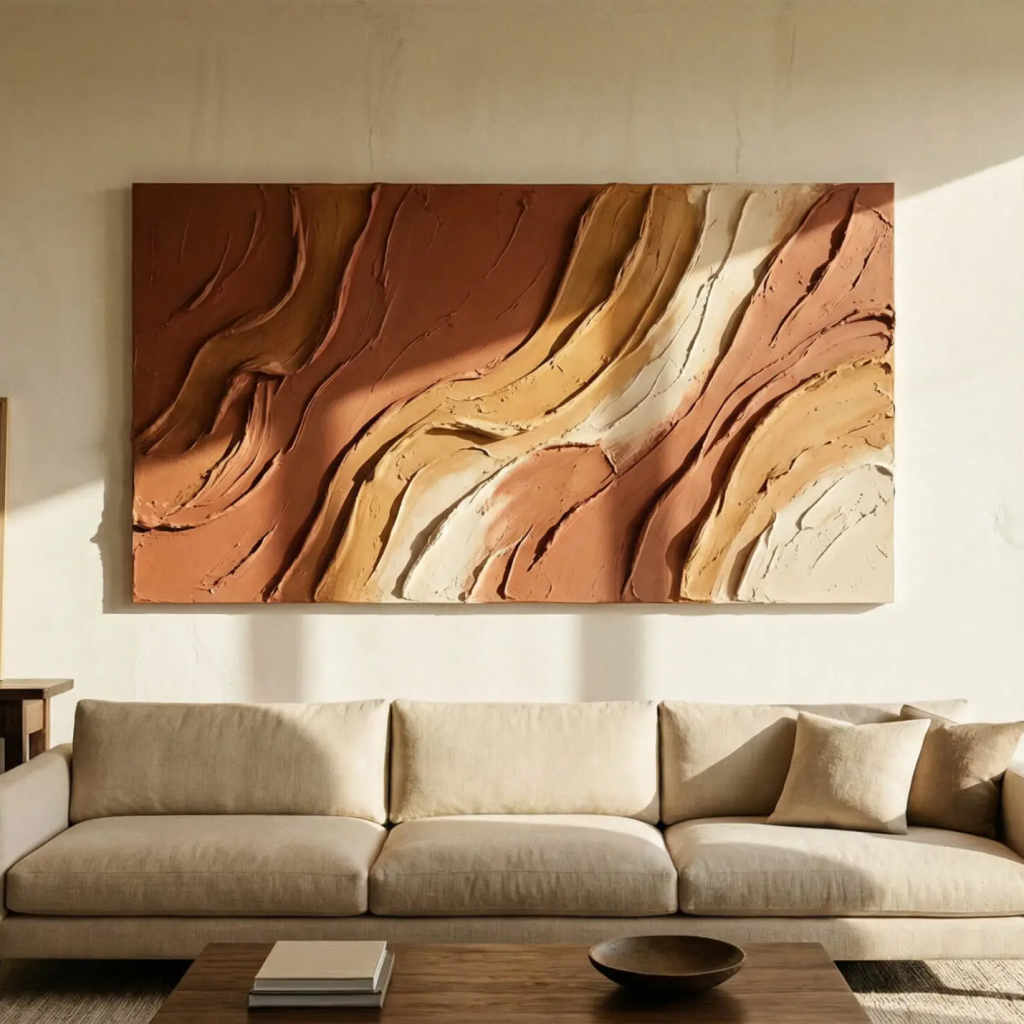
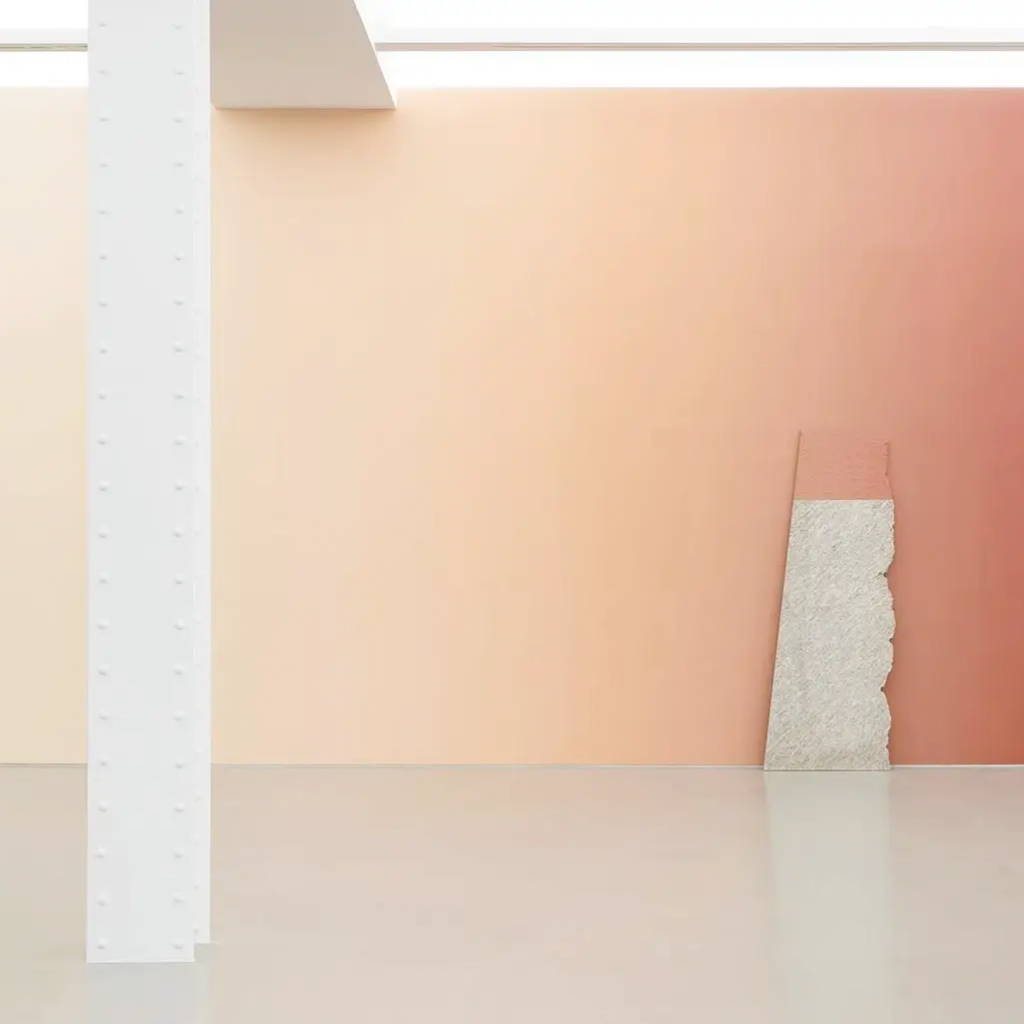
Colour is back — but softer, deeper, and more contemplative. Expect rich earth tones, muted terracottas, warm neutrals, and dreamy gradients that shift gently across the canvas. These palettes create grounding, atmospheric works that evolve with natural light in your home.
This trend aligns beautifully with the emotional introspection seen in major shows. Artists are using subtle transitions to evoke memory, transition, and inner landscapes — perfect for those seeking art that feels both modern and timeless.
2. Materiality, Textiles & the Handmade
Tactile surfaces dominate. Thick impasto, layered mixed media, woven threads, and fabric integrations celebrate imperfection and human touch. Chiharu Shiota-style thread installations and textile-heavy works echo a broader push against pure digital art.
London galleries are spotlighting craft techniques — embroidery, recycled materials, and sculptural painting — that invite closer looking and touching (with the eyes, at least). This trend speaks to sustainability, personal narrative, and a collective craving for authenticity.
3. Raw Emotion, Identity & the Female Voice
Women artists are front and centre. Tracey Emin’s landmark A Second Life at Tate Modern (until August) sets the tone with its unflinching exploration of trauma, love, survival, and rebirth. Expect powerful figurative and autobiographical work from shows featuring Frida Kahlo, Ana Mendieta, and others.
Themes of the body, displacement, resilience, and healing dominate. Painting remains strong — expressive, bodily, and story-driven — alongside immersive installations that blend performance, film, and sculpture.
4. Immersive Experiences & Playful Participation
Kinetic and interactive art gains ground. Julio Le Parc’s Op Art and participatory installations at Tate Modern bring joy, light, and movement. Outdoor sculpture (Frieze Sculpture), new venues like V&A East, and site-specific commissions add layers of engagement.
“Comforting fun” meets serious inquiry — nostalgic references, surreal whimsy, and accessible storytelling make modern art feel welcoming rather than intimidating.
Key Exhibitions Driving the Conversation
- Tracey Emin: A Second Life at Tate Modern — raw, regenerative, essential.
- Frida: The Making of an Icon and Ana Mendieta at Tate Modern — identity, myth, and nature.
- Hurvin Anderson, Anish Kapoor, Chiharu Shiota — painting mastery, monumental voids, and thread environments.
- Henry Moore at Kew Gardens, London Art Fair, and Frieze London (October) — sculpture in nature and strong commercial energy.
New openings (V&A East, Museum of Youth Culture, Quentin Blake Centre) add fresh platforms for emerging and illustrative voices.
What This Means for Collectors & Creators
2026 rewards thoughtful, soulful pieces over hype. Mid-tier originals with texture, emotion, and personal resonance are particularly sought after. The market feels selective yet optimistic, favouring work that lives beautifully in real spaces.
At Deck of Art, these trends directly inspire what we create — moody, layered abstracts and tactile paintings that bring warmth, depth, and story into your home without the gallery premium.
If you’re drawn to earthy gradients, emotional mark-making, or textural experiments, explore our current collection at deckofart.com. We’re releasing new originals throughout the year that echo exactly this moment.